 Stories Carved into Festival Floats
Gaiseisha Amenomiya
凱生社(天宮)
Basic information
| Origin of the name | Named after the triumphant return (gaisen) of the Japanese army: after Japan's great victory in the Sino-Japanese War in 1895 (Meiji 28), the whole nation celebrated the army's victorious homecoming. |
|---|---|
| Built | 昭和11年10月 / 改修 昭和59年10月 |
| Builder | 鈴木大吉(天宮)・松浦定吉(天宮)・松浦寅次郎(天宮)・山本一太郎(天宮)/改修 平野金四郎(天宮) |
| Carver | 中山由太郎政勝(岡崎市) |
| Painter | Not recorded |
| Wheels | 鈴木紋次(天宮) |
| Name calligraphy | Not recorded |
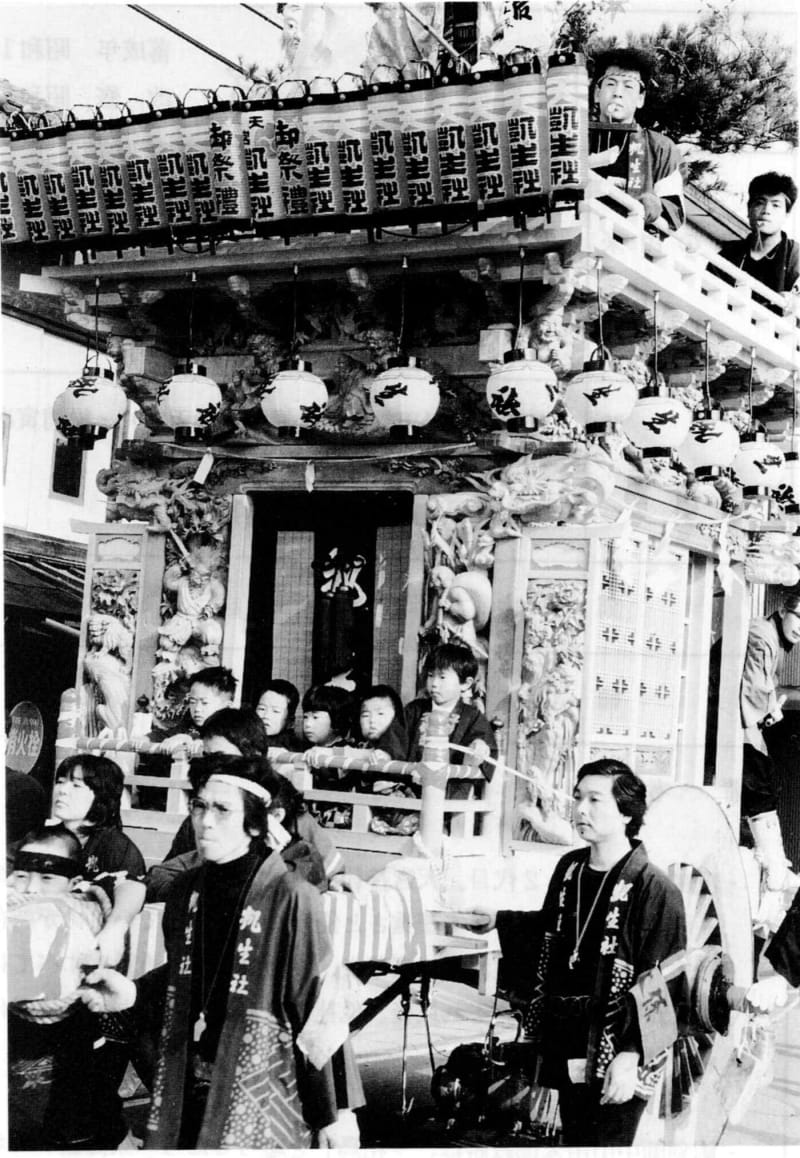
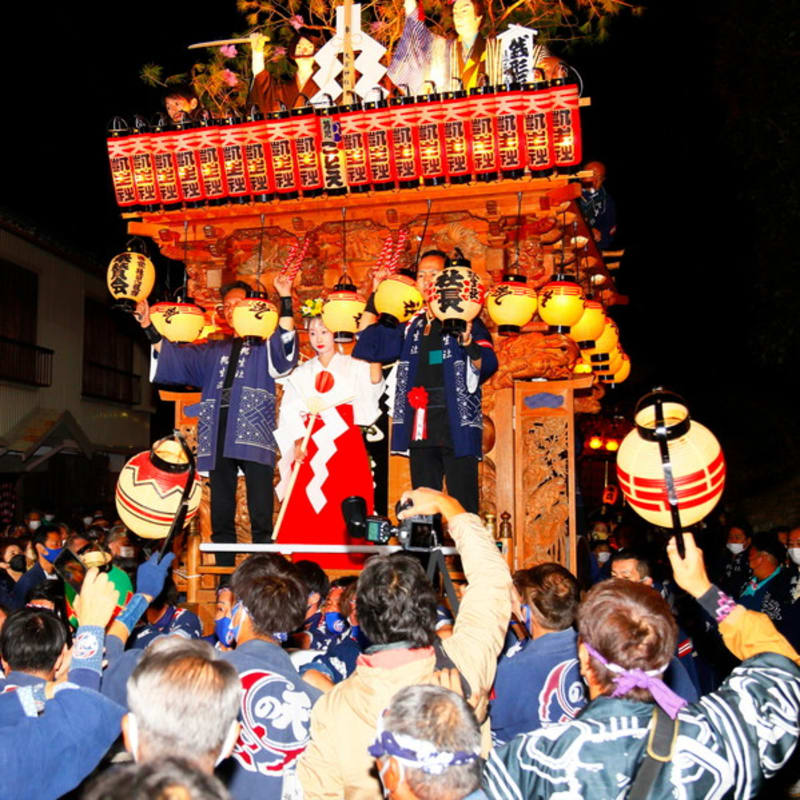
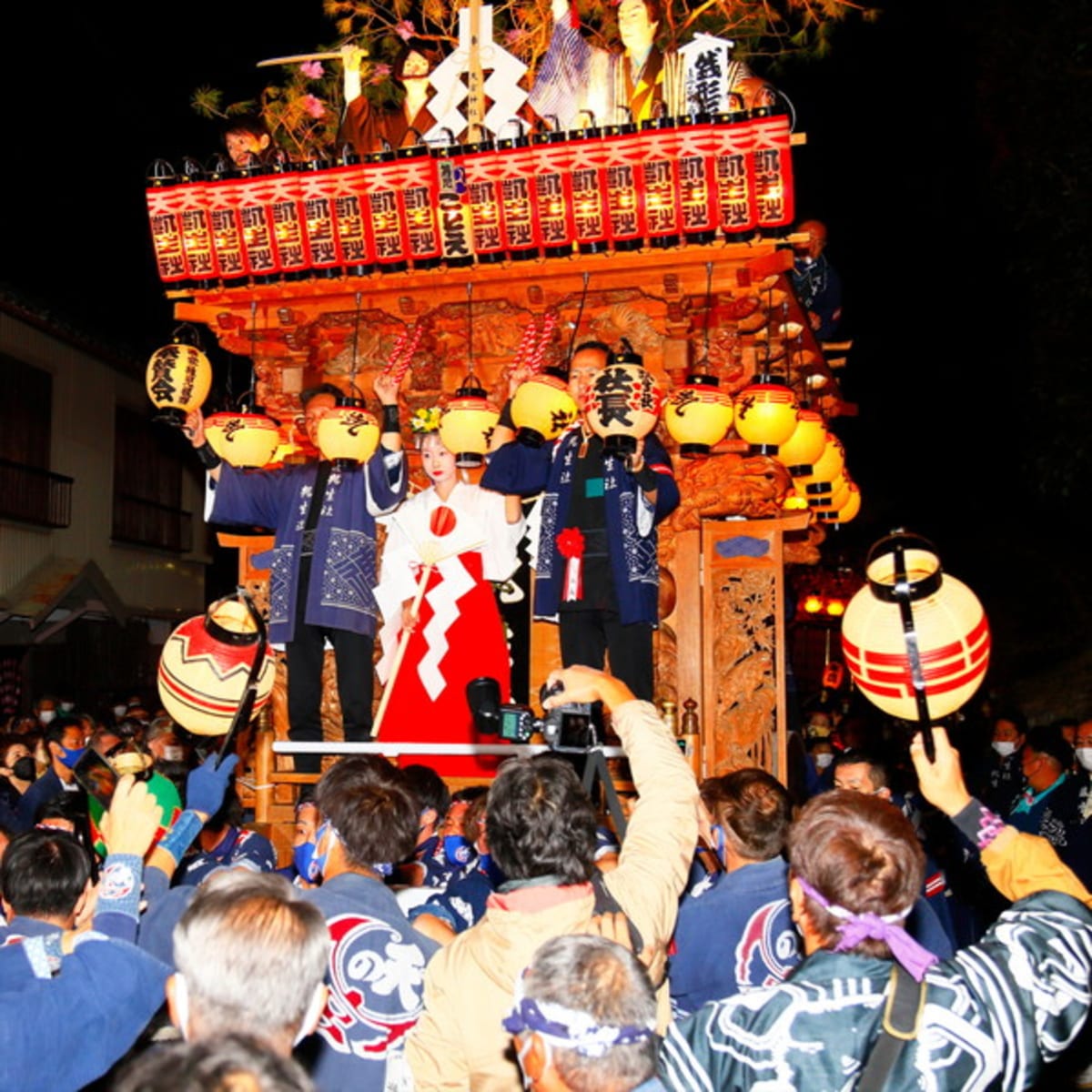
| Notes | The current float is the second generation. It is made from hinoki (Japanese cypress) of Amenomiya Shrine and, alone among the floats of the Mori Festival, it is left unpainted, keeping the bare white wood and its solemn yet elegant appearance. When it was built, everyone was astonished by the splendour of its carvings, the richness of its decoration, and the size and sense of weight of the float itself; ever since, it has been the benchmark for other districts building floats of their own. The sculptor 中山由太郎政勝 was known as "the finest master on the Tokaido" when it came to carving flowers and birds (kacho). It is said that he stayed in the area and lodged on site until the carvings of the Gaiseisha float were completed. The carvings on the koshinageshi (lower rail), "Wild Geese among Reeds" and "Quail among Millet Ears", and the dragon on the kibana were badly damaged and have been replaced with works by 山田我聖 (Hamamatsu). |
Source: 森の祭り(森の巻) p.18. Names and dates are shown as written in the Japanese original.